

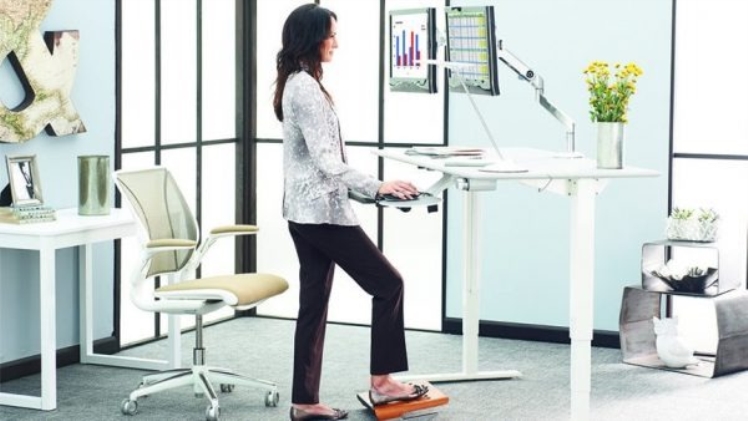
The lines between professional and personal life often blur, the concept of a traditional desk job is evolving. As professionals seek healthier and more comfortable alternatives to the conventional work setup, the spotlight is increasingly turning towards the innovative solution of sit-stand desks.
Improved Posture and Comfort
Sit-stand desks represent a significant departure from the static nature of traditional desks, offering a dynamic solution to address posture-related issues. Prolonged sitting is a common culprit behind poor posture, leading to discomfort and potential long-term health issues. By allowing users to switch between sitting and standing, these desks promote better spinal alignment.
The ergonomic design of Sit Stand Desk encourages a more neutral and natural posture. When sitting, the desk height can be adjusted to align with the user’s elbow height, reducing strain on the neck and shoulders. Meanwhile, standing provides relief to the lower back and helps prevent stiffness associated with extended periods of sitting.
Comfort, a critical factor in workplace satisfaction, is greatly enhanced by the flexibility of sit-stand desks. Employees can tailor their workstations to suit their unique ergonomic needs, creating a more comfortable and personalised environment.
Increased Energy and Productivity
The connection between active work and expanded energy levels has been deep rooted. Sit-stand work areas add to a more dynamic business day by permitting clients to change among sitting and standing positions. The act of standing engages various muscle groups, promoting blood circulation and preventing the lethargy that can accompany prolonged sitting.
This boost in energy often translates to increased productivity. When individuals feel more alert and focused, they are better equipped to tackle tasks efficiently. The periodic shifts between sitting and standing serve as a natural stimulant, reducing the likelihood of mid-afternoon slumps and enhancing overall work performance.
Moreover, the increased circulation associated with standing may positively impact cognitive function. Studies suggest that improved blood flow to the brain can enhance concentration and cognitive abilities, further reinforcing the connection between sit-stand desks, increased energy, and heightened productivity.
Weight Management and Metabolism
Beyond the immediate benefits of improved posture and energy levels, sit-stand desks can play a role in weight management. While the effect on weight may not be pretty much as articulated as devoted work out, the extra calories consumed standing can add to keeping a sound weight.
The stationary idea of many positions has been connected to weight gain and stoutness. Sit-stand desks provide a simple yet effective strategy to counteract this trend. Standing requires more energy expenditure than sitting, and over time, this can contribute to weight maintenance or even modest weight loss.
The activation of muscles during standing can have a positive impact on metabolism. Regular movement throughout the day, facilitated by sit-stand desks, helps regulate metabolic processes, potentially reducing the risk of metabolic disorders associated with prolonged sitting.
Enhanced Collaboration and Communication
The adaptability of sit-stand desks extends beyond individual health benefits to positively impact the overall office environment. Traditional desks, with fixed heights, may hinder spontaneous collaboration and communication. In contrast, sit-stand desks allow for easy adjustments, fostering a more dynamic and interactive workspace.
Teams can quickly modify their desk heights to facilitate impromptu meetings, discussions, or collaborative sessions. This adaptability promotes a culture of openness and teamwork, breaking down physical barriers that may exist in a traditional office layout. The result is a more agile and responsive work environment that encourages creativity and innovation.
The visual cue of team members standing at their desks can also signal approachability and openness to communication. This subtle shift in office dynamics can lead to more frequent and meaningful interactions among team members, ultimately enhancing the collaborative spirit within the organisation..
Customization for Individual Preferences
Sit-stand desks are designed with user customization in mind, acknowledging the diverse needs and preferences of a modern workforce. The ability to adjust desk height allows employees to create a workspace tailored to their unique ergonomic requirements.
Customization goes beyond physical comfort—it extends to accommodating different work styles. Some individuals may prefer to stand during tasks that require focus and creativity, while others may opt for a seated position during more routine or administrative work standing positions makes the sit stand desk a viable and easy to understand arrangement, offering an extraordinary way to deal with how we see and draw in with our workplace. Sit-stand desks empower employees to align their work environment with their individual preferences, promoting a sense of control and well-being.
This flexibility is especially essential in the present different working environments, where representatives might change fundamentally in level, body type, and work propensities. A one-size-fits-all approach is presently not adequate, and sit-stand work areas give a versatile arrangement that can be changed in accordance with meet the particular requirements of every client.
Overcoming Challenges and Implementation Strategies
While the benefits of sit-stand desks are compelling, their successful integration into the workplace requires strategic planning and careful consideration. Resistance to change, budget constraints, and lack of awareness are common challenges that organisations may face during implementation.
- Resistance to Change: Employees accustomed to traditional desks may initially resist the switch to sit-stand desks. To overcome this, organisations can implement a phased approach, gradually introducing the new desks and providing adequate support and training to help employees transition comfortably.
- Budget Constraints: The Cost of sit stand desk can be a concern for some organisations. However, it’s essential to view this as an investment in employee well-being and productivity. Cost-sharing strategies, such as offering partial subsidies or implementing the desks in phases, can help mitigate budgetary constraints.
- Employee Education: Proper education is critical for the successful adoption of sit-stand desks. Organisations should provide information on the benefits of the desks, guidelines on proper use, and tips for maintaining a healthy work routine. Training sessions and informational materials can contribute to a smooth transition and foster a positive attitude toward the new work setup.
Conclusion
The sit-stand desk represents a holistic approach to addressing the challenges associated with modern work environments. By promoting improved posture, increased energy, weight management, enhanced collaboration, and customization, these ergonomic solutions offer a multifaceted approach to employee well-being and productivity.
